July 16, 2026
Every successful construction project begins with a strong foundation, and that foundation starts long before concrete is poured. The process of foundation excavation is one of the most critical phases in residential, commercial, and industrial construction. It involves carefully removing soil and preparing the site to support the structure that will eventually stand above it. While excavation may appear straightforward, modern projects require extensive planning, technical expertise, environmental awareness, and strict safety measures. According to Forbes, investments in landscaping and lawn care can generate returns of up to 217% while enhancing curb appeal, highlighting the pragmatism of investing in landscaping.
As construction methods continue to evolve, so do the techniques used in foundation excavation. Contractors must account for varying soil conditions, changing regulations, weather factors, and emerging technologies. A well-executed excavation project creates the stability necessary for a building's long-term performance, while mistakes during this stage can lead to costly repairs, structural issues, and project delays.
Understanding the principles behind modern foundation excavation helps property owners, developers, and construction professionals make informed decisions that contribute to successful project outcomes.
What Are the Best Practices for Foundation Excavation?
The success of any foundation excavation project depends on careful preparation and adherence to industry best practices. Before any digging begins, contractors conduct detailed site assessments to evaluate terrain, underground utilities, drainage patterns, and soil conditions. These preliminary investigations help identify potential challenges and reduce the likelihood of unexpected complications during construction.
Accurate surveying is another essential practice. Surveyors establish precise boundaries and elevation measurements to ensure that excavation aligns with engineering plans. Even small errors in measurement can create significant issues later in the construction process.
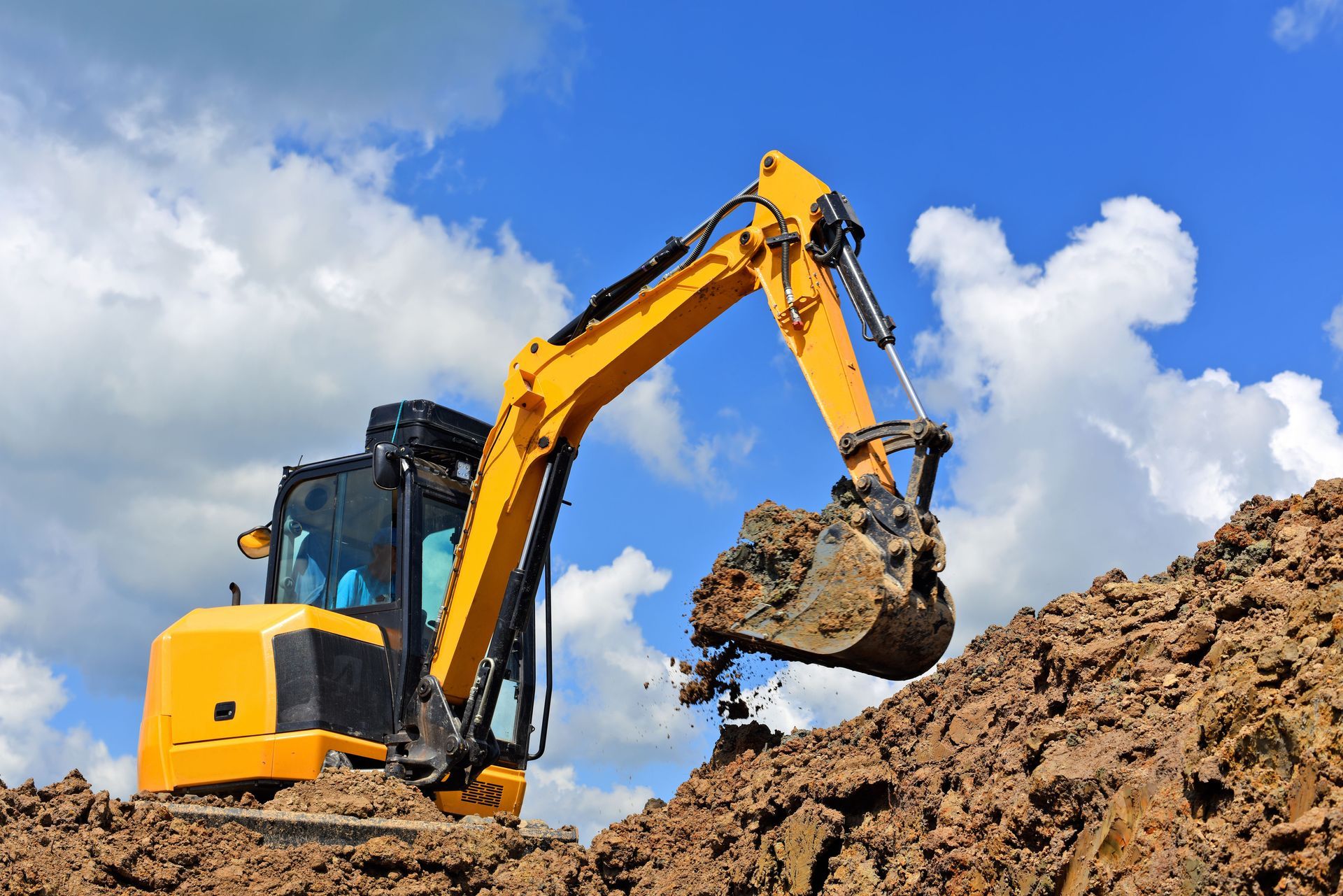
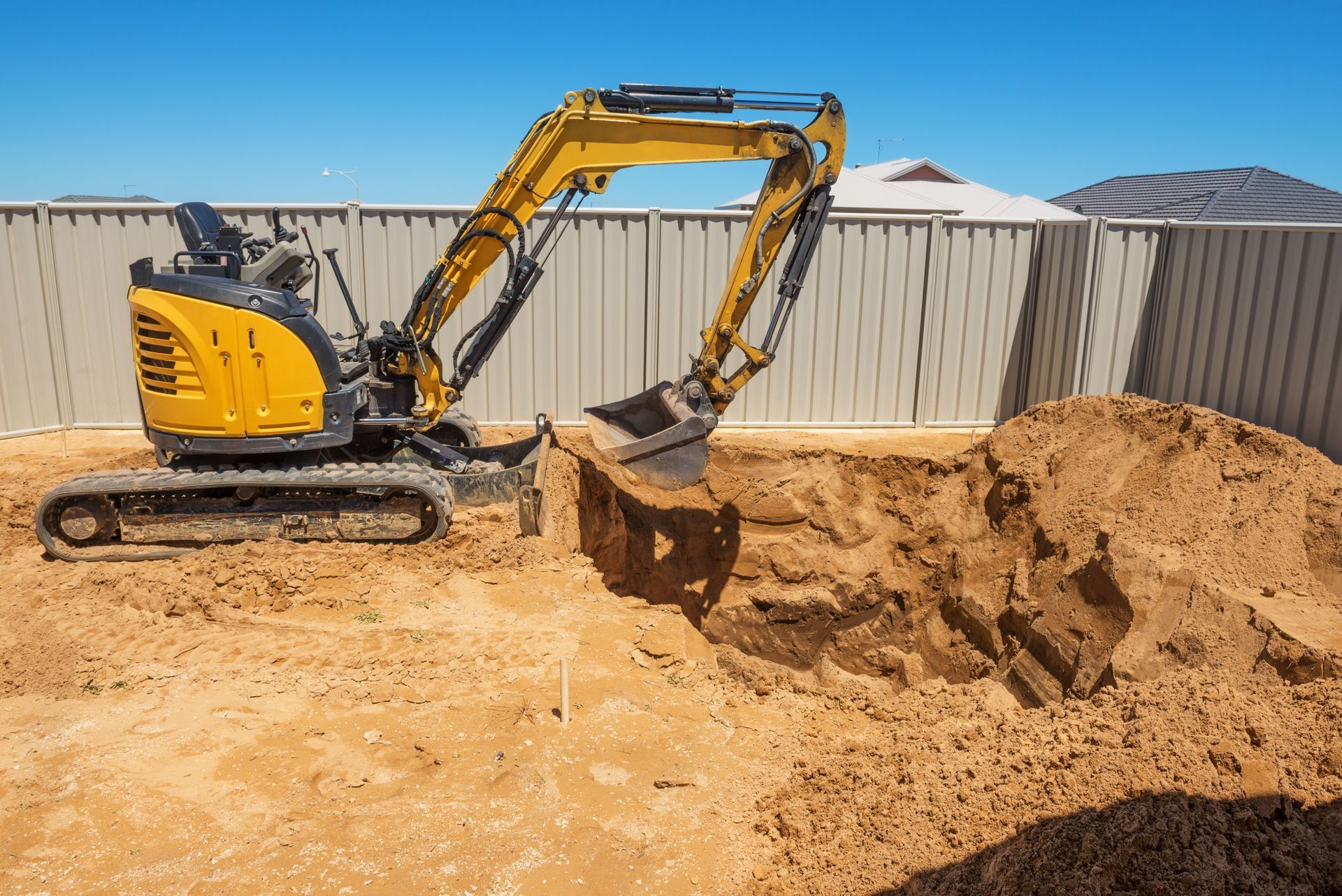
Proper equipment selection also plays a major role in effective foundation excavation. Depending on the project's size and complexity, contractors may use excavators, backhoes, bulldozers, or specialized trenching equipment. Choosing the right machinery improves efficiency while minimizing disruption to the surrounding area.
Drainage management is equally important. Water accumulation within an excavation site can weaken soil stability and delay construction schedules. Contractors often implement temporary drainage systems or dewatering techniques to keep the excavation area dry and safe.
Communication among project stakeholders further supports successful outcomes. Engineers, architects, contractors, and inspectors must coordinate closely to ensure that excavation activities remain consistent with project specifications. Through careful planning and execution, foundation excavation can proceed smoothly while laying the groundwork for a durable structure.
How Do Soil Types Affect Foundation Excavation?
Soil characteristics have a significant impact on excavation methods and foundation design. Different soil types behave differently under pressure, making it essential for contractors to understand the conditions present at a construction site before beginning excavation work.
Clay soils present unique challenges because they expand when wet and shrink when dry. This movement can affect foundation stability over time. During foundation excavation, contractors must account for these fluctuations and may need to implement additional drainage measures to reduce moisture-related issues.
Sandy soils, by contrast, generally drain water effectively but may be prone to shifting or collapsing during excavation. Temporary support systems may be necessary to maintain trench stability and protect workers operating within the excavation area.
Rocky terrain often increases excavation complexity and project costs. Removing rock formations may require specialized equipment or controlled breaking methods to achieve the required depth and dimensions. Although challenging, rocky sites can provide excellent long-term support for foundations once excavation is completed.
Loam soils, which contain balanced proportions of sand, silt, and clay, are often considered ideal for construction. These soils typically offer good drainage and stability, making foundation excavation more straightforward.
What Are the Environmental Implications?
Modern construction increasingly emphasizes environmental responsibility, and foundation excavation is no exception. Excavation activities can affect local ecosystems, water quality, and soil stability if not managed properly. As a result, contractors must implement practices that minimize environmental impact while maintaining project efficiency.
One of the primary concerns involves soil erosion. Disturbing large areas of land can make soil vulnerable to wind and water displacement. Erosion control measures such as silt fencing, sediment barriers, and vegetation protection help prevent soil from leaving the site and affecting nearby waterways.
Excavation can also influence local drainage patterns. Altering the natural flow of water may contribute to flooding or erosion in surrounding areas if proper stormwater management systems are not implemented. Careful site planning helps reduce these risks.
Another consideration is habitat disruption. Construction projects may impact plants, wildlife, and natural ecosystems. Environmental assessments often identify sensitive areas requiring protection during foundation excavation activities.
Sustainable construction practices are becoming increasingly common throughout the industry. Many contractors seek opportunities to recycle excavated materials, reduce fuel consumption, and limit unnecessary land disturbance. These efforts support broader environmental goals while helping projects comply with regulatory requirements.
How to Ensure Safety During Foundation Excavation?
Safety remains one of the most important priorities in any excavation project. Excavation sites present numerous hazards, including cave-ins, falling objects, equipment accidents, and utility strikes. Effective safety programs help reduce these risks and protect everyone involved in the construction process.
One of the most critical safety measures involves trench protection. Excavation walls can collapse unexpectedly, placing workers at significant risk. Contractors often use shoring, shielding, or sloping techniques to stabilize excavation walls and prevent cave-ins.
Utility location services are another essential component of safe foundation excavation. Before digging begins, contractors must identify underground utilities such as gas lines, electrical cables, and water pipes. Striking these systems can result in serious injuries, service disruptions, and costly repairs.
Employee training also plays a vital role in excavation safety. Workers must understand proper equipment operation, hazard recognition, emergency procedures, and site-specific safety protocols. Regular safety meetings help reinforce best practices and maintain awareness throughout the project.
Equipment inspections should be conducted routinely to ensure machinery remains in safe operating condition. Malfunctioning equipment can create dangerous situations and increase the likelihood of accidents.
Clear site communication further enhances safety. Signage, barriers, and designated work zones help separate personnel from heavy equipment operations. By maintaining a strong safety culture, contractors can complete foundation excavation projects efficiently while protecting workers and the surrounding community.
What Technologies Are Emerging in Foundation Excavation?
Technological innovation is transforming nearly every aspect of the construction industry, including foundation excavation. Modern tools and digital systems are helping contractors improve accuracy, efficiency, and safety while reducing project costs.
Global Positioning System (GPS) technology has become increasingly valuable during excavation projects. GPS-guided equipment allows operators to achieve precise excavation depths and dimensions with greater consistency than traditional methods. This level of accuracy helps reduce rework and material waste.
Three-dimensional modeling and Building Information Modeling (BIM) technologies are also influencing excavation planning. These digital tools enable construction teams to visualize site conditions, coordinate activities, and identify potential conflicts before excavation begins.
Drones have emerged as powerful resources for site surveying and monitoring. Equipped with advanced cameras and sensors, drones can quickly collect data, generate topographic maps, and track project progress. This information supports more informed decision-making throughout the excavation process.
Artificial intelligence and data analytics are beginning to play larger roles as well. By analyzing historical project data and real-time site information, advanced software can help predict challenges, optimize equipment usage, and improve scheduling efficiency.
Automation is another area of ongoing development. Semi-autonomous and autonomous excavation equipment has the potential to enhance precision while reducing labor demands in certain applications. As these technologies continue to mature, they may significantly reshape how foundation excavation projects are planned and executed.
Modern foundation excavation is far more complex than simply moving earth. It requires careful planning, an understanding of soil behavior, environmental responsibility, rigorous safety measures, and the effective use of emerging technologies. By following industry best practices and adapting to evolving construction demands, professionals can ensure that
foundation excavation provides the stable base necessary for long-lasting structures. As technology continues to advance and sustainability remains a priority, the future of foundation excavation promises even greater efficiency, precision, and environmental stewardship. If you're looking for a reputable excavating service, reach out to the team at Mt. Baker Landworks today!