August 28, 2026
An uneven yard can create more problems than an unattractive appearance. Slopes, dips, raised areas, and unstable ground can make outdoor spaces harder to use and may contribute to drainage concerns around the property. Simply adding soil to low spots may seem like an easy solution, but it does not always address the underlying conditions causing the uneven surface. Professional excavation can provide a more thorough approach by removing, redistributing, and preparing soil based on the specific needs of the property. According to HomeGuide, smaller excavation jobs typically take between one and three days, while larger projects involving rocky soil, rock shelves, or large boulders can extend beyond three weeks. The amount of time required depends on the size of the site, existing ground conditions, access, and the scope of the work. A properly planned project can create a more stable foundation for landscaping, construction, drainage improvements, and other outdoor upgrades. Understanding how excavation works can help homeowners see why it is often a reliable solution for correcting significant grading problems.
Evaluating the Existing Ground Conditions
Before any equipment begins moving soil, the condition of the property should be carefully evaluated. Uneven areas can develop for many reasons, including natural settling, erosion, poor drainage, previous construction, and changes to the surrounding landscape. Professionals examine the slope of the land and identify high and low points that may affect the final grade. An excavating service can also evaluate soil conditions to determine how easily the ground can be moved and shaped. Rocky terrain, compacted soil, buried debris, and other obstacles may influence the methods and equipment needed for the project. Understanding these conditions before work begins helps prevent unexpected issues from disrupting the grading process. It also allows the project team to develop a plan that addresses the actual cause of the uneven terrain. A detailed evaluation creates a stronger starting point for achieving a level and stable outdoor surface.
Removing Excess Soil From High Areas
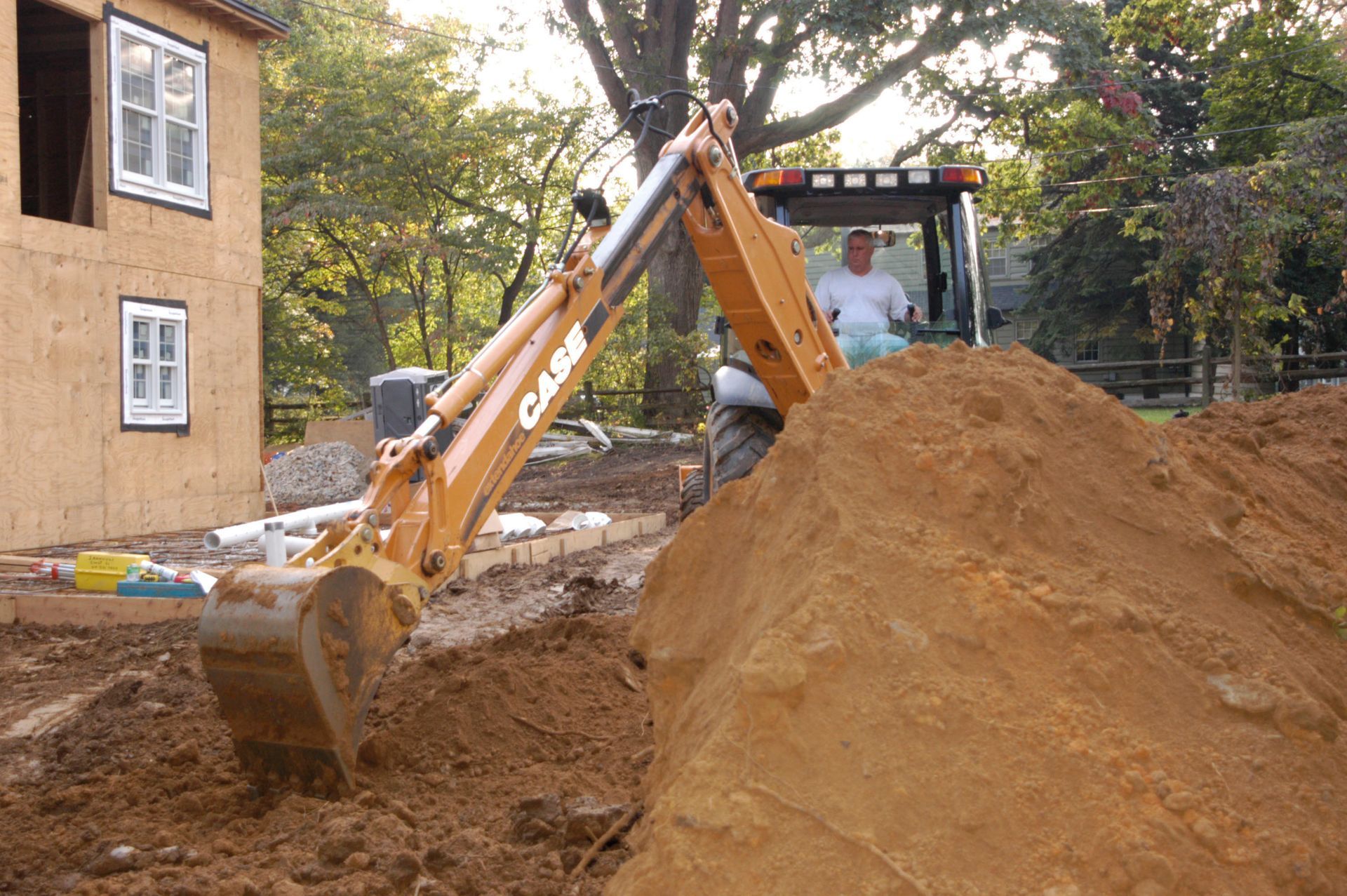
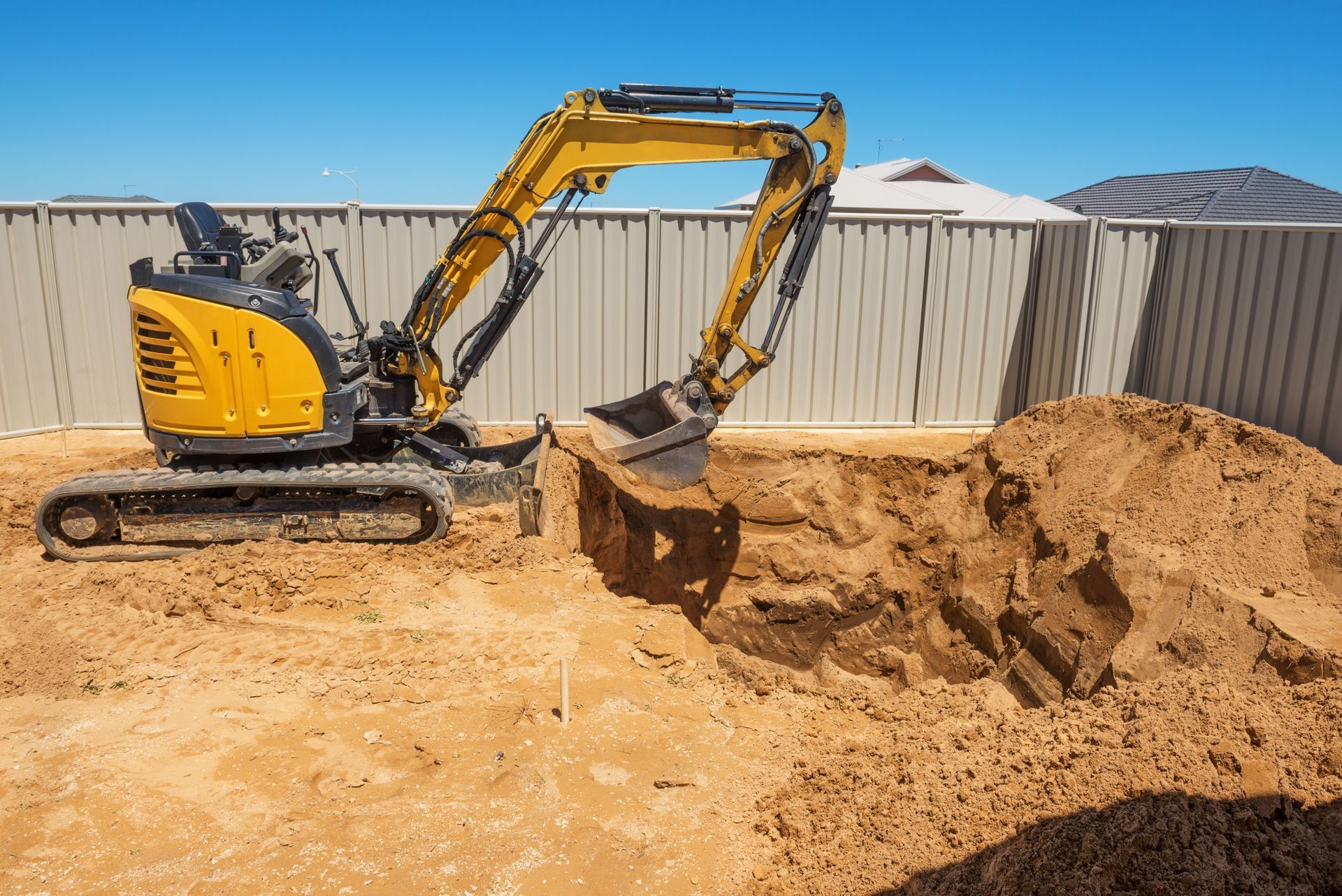
Raised portions of a yard can make the surrounding landscape difficult to level properly. In some cases, adding soil to lower areas would require an excessive amount of fill and could create new drainage problems. Excavation provides the ability to remove soil from higher sections and redistribute it where appropriate. With an excavating service, the existing terrain can be reshaped according to a planned grade rather than relying on surface-level adjustments. Heavy equipment allows large amounts of soil to be moved more efficiently than manual methods. Removing excess material can also prepare the property for patios, driveways, foundations, or other planned improvements. The process must be carefully controlled to avoid disturbing areas that are meant to remain unchanged. By reducing overly high sections, professionals can create a more balanced starting point for the rest of the yard.
Filling Low Areas With Proper Materials
Low areas can collect water and create muddy or unusable sections of the property. Simply placing loose soil into these areas may provide only a temporary improvement if the material settles unevenly over time. Proper grading involves selecting suitable fill materials and placing them in a way that supports long-term stability. An excavating service may use controlled placement and compaction methods to help create a more consistent surface. The amount of material needed depends on the depth and size of the low areas being corrected. Professionals also consider how the newly filled section will connect with the surrounding grade. Proper preparation can reduce the risk of future settling that could cause the yard to become uneven again. Building up low areas correctly is an important part of creating a landscape that performs as intended.
Improving Drainage Across the Property
Uneven ground can cause water to move in unwanted directions. Rainfall may collect near the home, pool in certain parts of the yard, or contribute to erosion along slopes. Grading through excavation can help guide water away from structures and toward appropriate drainage areas. A carefully planned excavating service considers the movement of water as part of the overall design of the property. Even a relatively level yard may need a slight, controlled slope to prevent water from standing in place. Professionals can shape the ground so drainage works with the natural characteristics of the site. Addressing water flow during the grading process may help protect landscaping and reduce the need for repeated corrections later. A properly managed surface supports both a more usable yard and a more effective approach to drainage.
Creating a Stable Surface for Landscaping
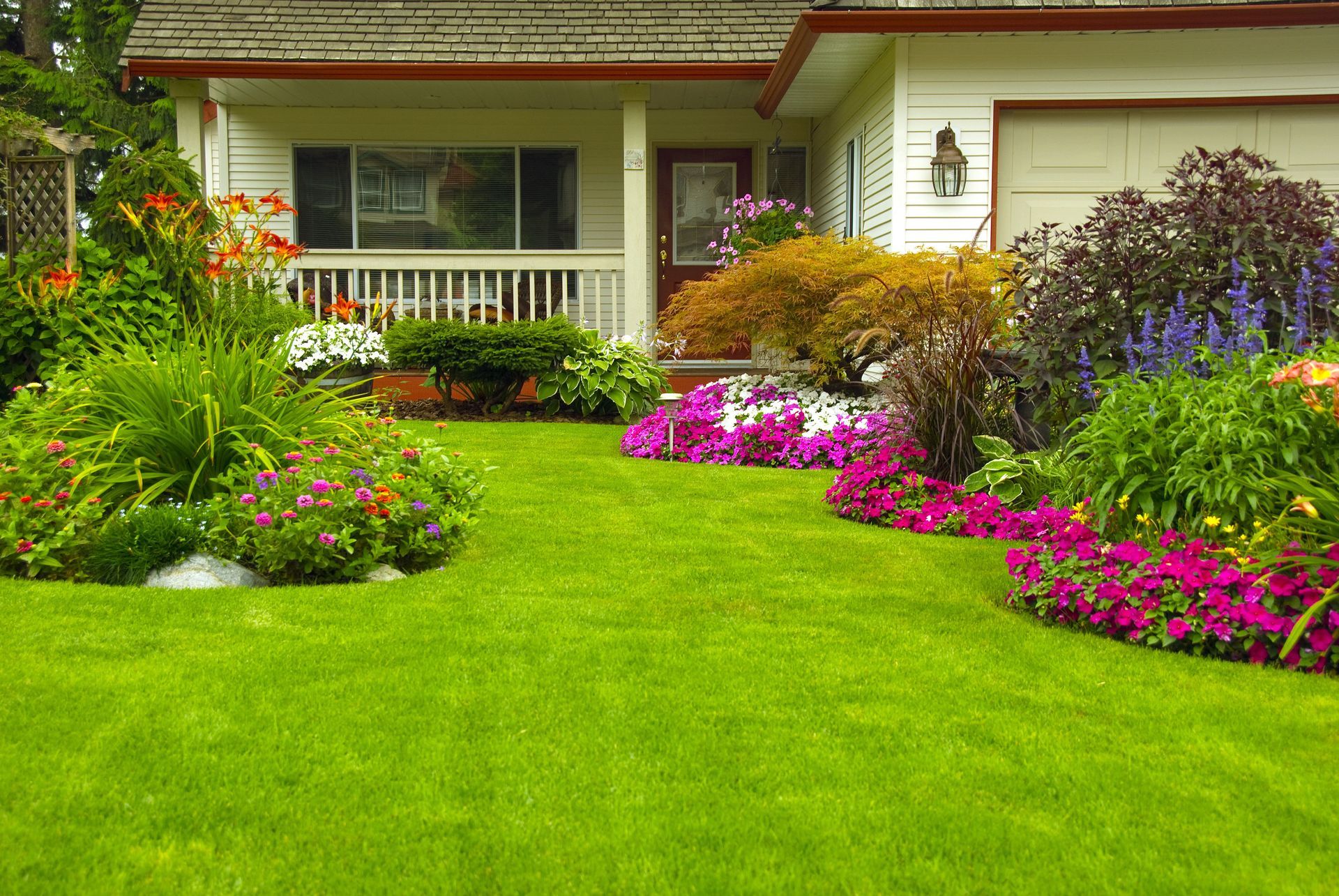
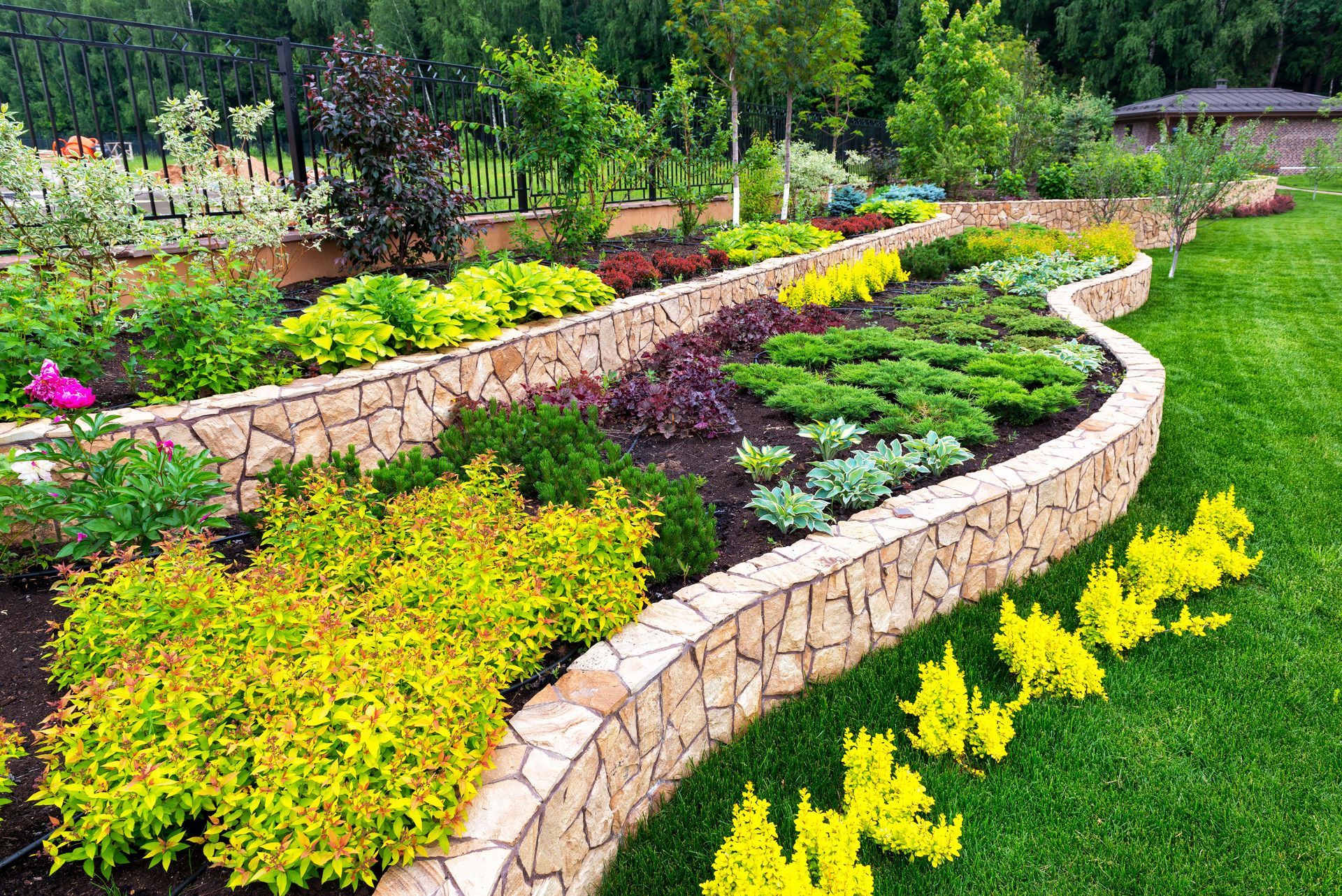
Landscaping features often perform better when they are installed on properly prepared ground. Lawns, garden beds, retaining walls, walkways, and other improvements can be affected by unstable or uneven soil. Excavation can create a more suitable base before these features are added to the property. Through an excavating service, homeowners can prepare the land for new landscaping instead of attempting to work around existing grading problems. A level surface can make it easier to install sod, plant vegetation, and create organized outdoor areas. Proper soil preparation may also support healthier growing conditions depending on the planned landscape design. The finished grade can be shaped to complement both functional needs and the visual layout of the property. Preparing the ground first can help later improvements look more polished and perform more effectively.
Preparing the Site for Future Projects
An uneven yard can complicate more than landscaping work. Outdoor construction projects may require a stable and properly graded area before installation can begin. Patios, sheds, driveways, additions, and other structures can all depend on suitable ground preparation. An excavating service can remove obstacles and create the appropriate surface conditions for the next phase of a project. Site preparation may involve clearing vegetation, moving soil, removing rocks, or establishing a more consistent grade. Completing these tasks professionally can help prevent later construction from being affected by unstable ground. The exact preparation process depends on the type of improvement being planned and the characteristics of the property. Starting with properly prepared land can make future projects easier to manage and support better long-term results.
Preventing Erosion and Future Settling
Leveling a yard is not only about how the property looks immediately after the work is completed. The finished surface should also be designed to remain as stable as possible through changing weather conditions and regular use. Poorly placed soil can wash away, shift, or settle over time, causing the same uneven conditions to return. Professional excavation can include grading and compaction practices that help reduce these risks. An excavating service may also address slopes and drainage patterns that contribute to erosion across the property. Stabilizing the ground before installing landscaping or other features can help protect the work completed afterward. Some sites may require additional measures depending on the soil type and severity of the existing conditions. Taking a long-term approach to land preparation can reduce the likelihood of repeated grading work in the future.
Working With Skilled Excavation Professionals
Leveling an uneven yard requires more than moving soil from one location to another. Every property has different soil conditions, drainage patterns, elevations, and access limitations that can influence the best approach. Mt. Baker Landworks can help property owners evaluate these factors and develop a plan suited to their specific outdoor needs. Professional equipment and experience can make it easier to manage challenging terrain while working toward a stable finished grade. From removing high areas to preparing low sections for proper filling, each stage of the project should support the intended use of the property. Careful planning can also help ensure that drainage and future landscaping considerations are incorporated into the final design. Addressing uneven terrain correctly from the beginning can create a more functional and attractive outdoor environment. With the right preparation, homeowners can turn difficult ground conditions into a surface that is ready for long-term use.
Ready to turn your uneven yard into a more level, stable, and functional outdoor space? Contact Mt. Baker Landworks today to discuss your property and learn how professional excavation can help prepare your land for landscaping, drainage improvements, or future projects.