July 26, 2026
A swimming pool is meant to provide years of enjoyment, relaxation, and value for a property. While finishes, features, and landscaping often receive the most attention, the foundation of a reliable pool begins long before concrete is poured or liners are installed. The quality of the ground preparation influences how well the structure performs throughout changing weather conditions and normal soil movement.
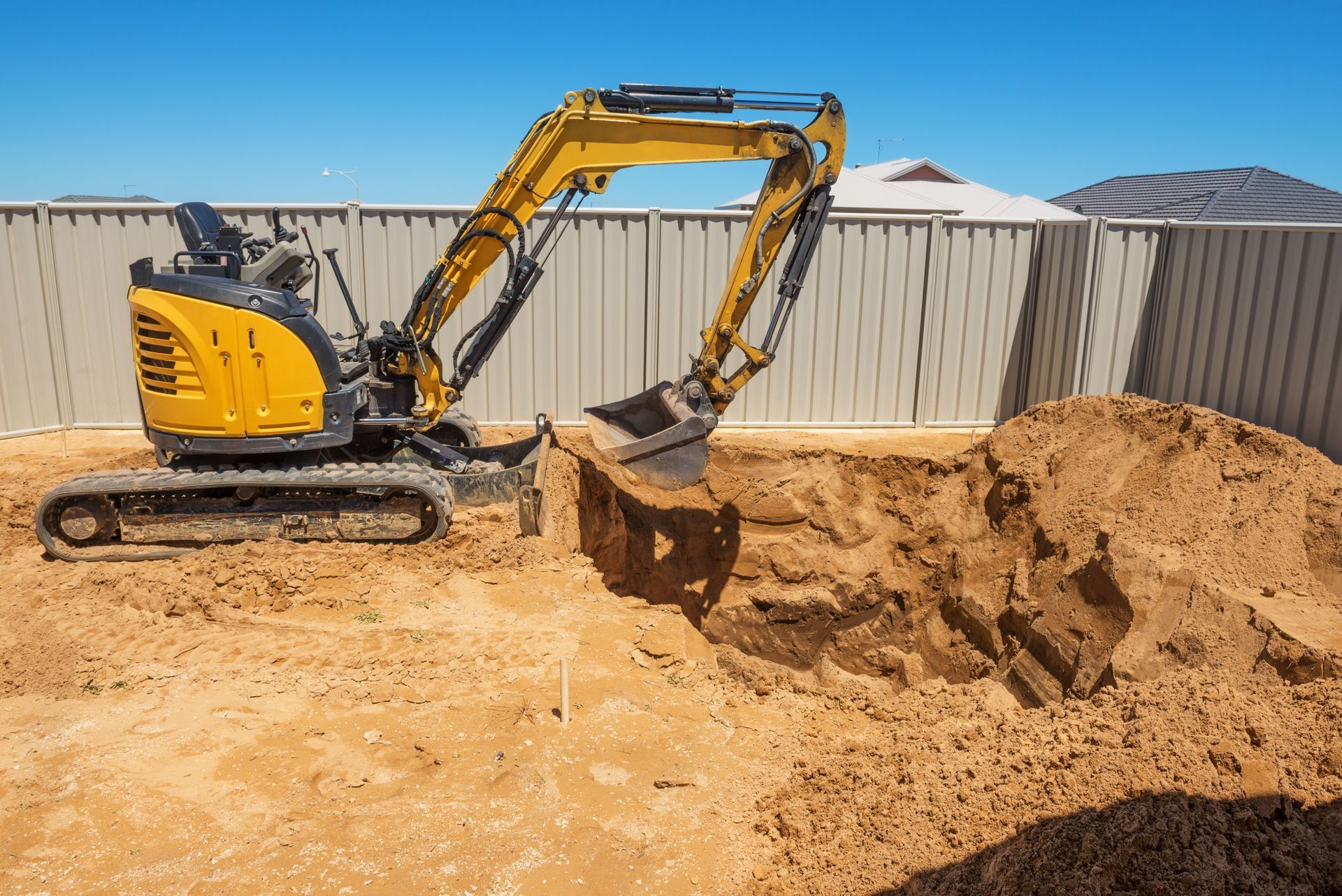
That is why pool excavation deserves careful planning and professional execution. The excavation stage determines whether the surrounding soil can properly support the completed structure, manage water movement, and reduce stress that may otherwise contribute to costly problems over time. When this phase is handled with precision, every step that follows benefits from a stronger and more stable foundation.
Establishing Stable Ground Conditions
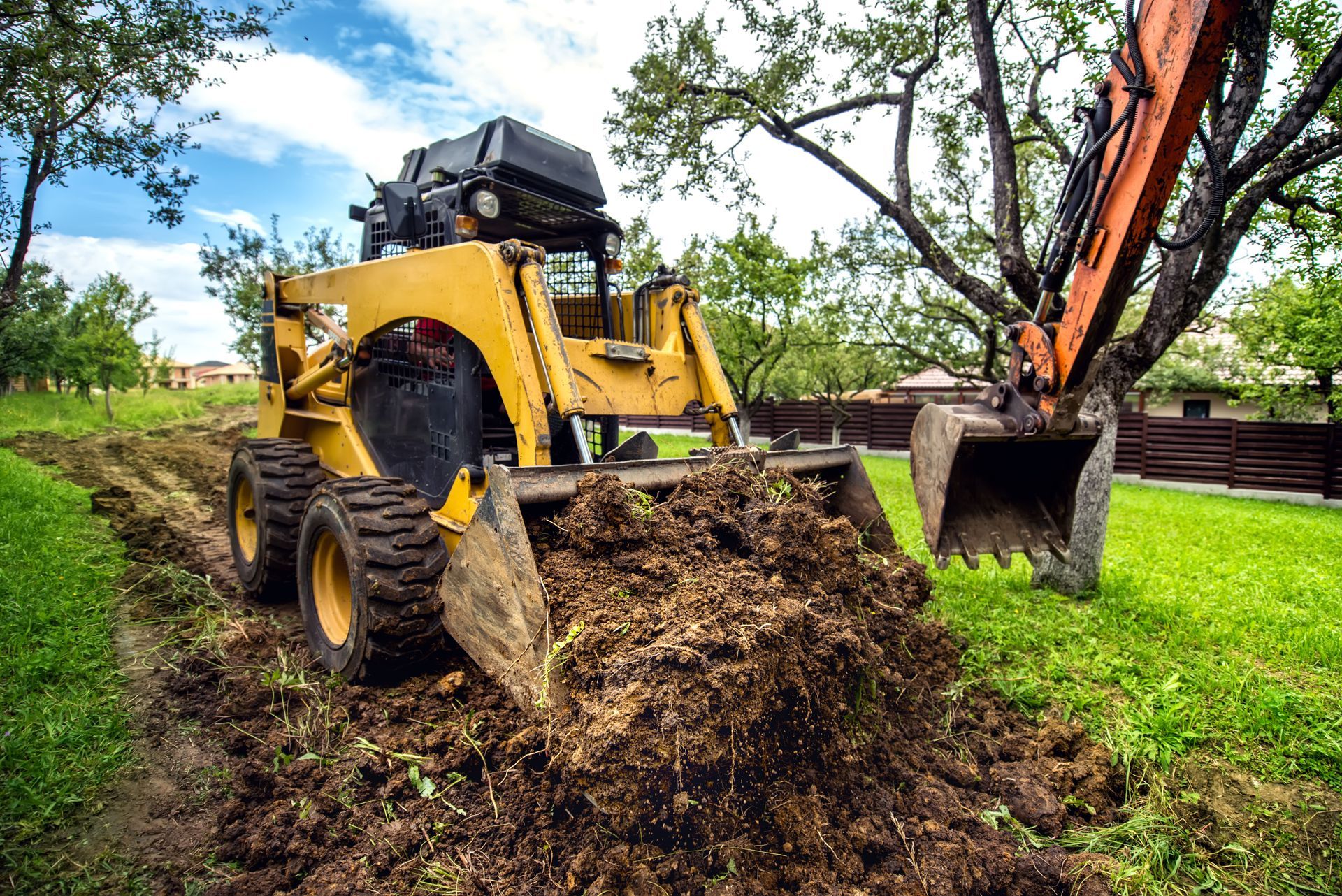
Every property presents unique ground conditions that require careful evaluation before excavation begins. Soil composition, moisture content, natural slopes, and buried materials all influence how the site should be prepared. Rather than relying on assumptions, experienced professionals carefully assess these factors to create an excavation plan suited to the specific location.
Quality pool excavation removes unsuitable materials while preserving stable soil that can properly support the finished structure. This careful balance helps create consistent bearing conditions beneath the pool instead of leaving weak pockets that may settle unevenly after construction is complete.
Stable ground also minimizes unnecessary stress throughout the structure. Even small shifts beneath a pool can transfer pressure to surrounding materials, eventually creating pathways where water may escape. Proper excavation greatly reduces this risk by establishing a dependable foundation before construction advances.
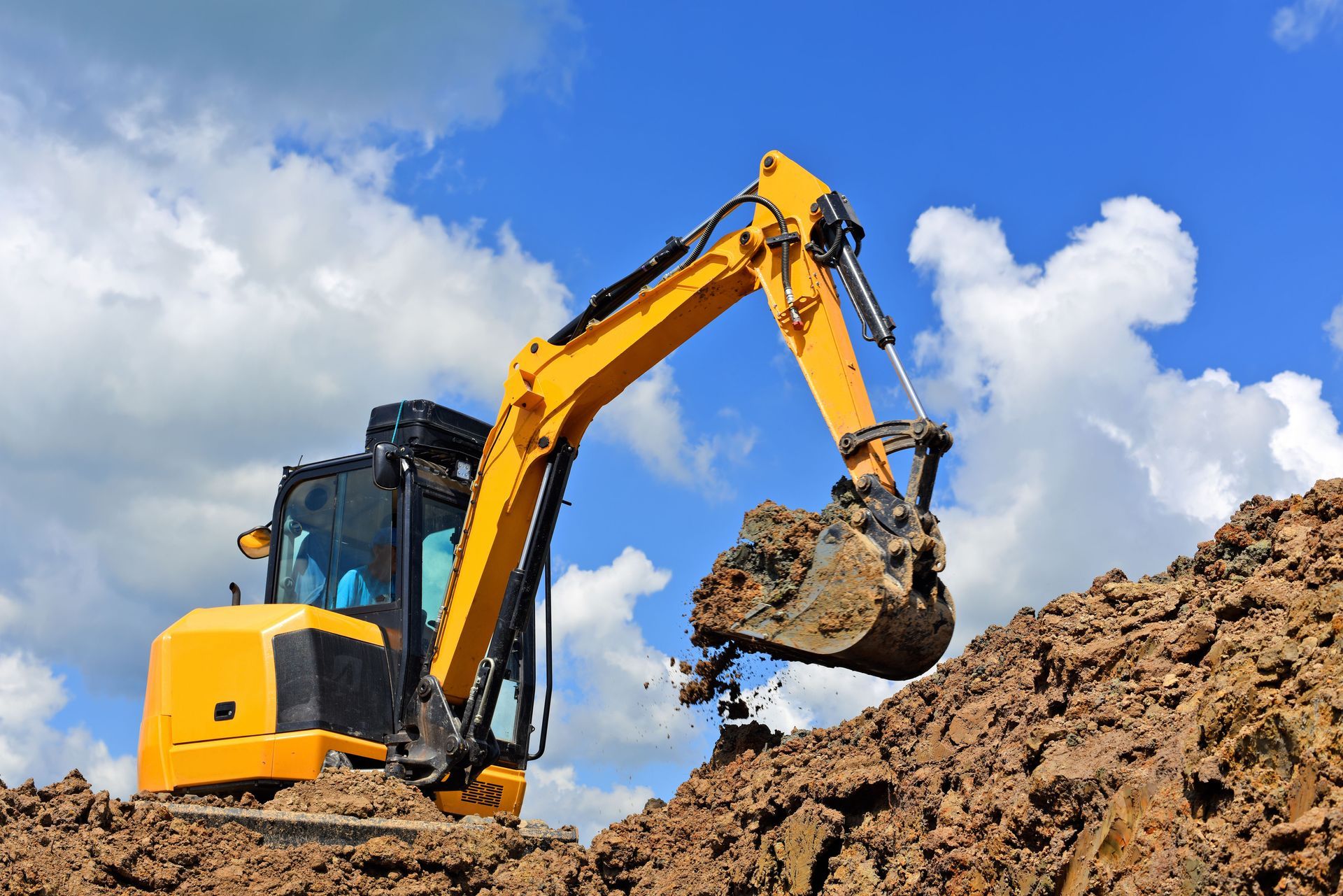
Careful preparation also allows every subsequent construction phase to proceed more accurately. Contractors can work with greater confidence when the excavation has been completed according to detailed specifications, helping improve alignment, structural consistency, and overall project quality.
Managing Natural Water Movement
Water naturally moves through and around soil in different ways depending on drainage patterns and underground conditions. Ignoring these characteristics during excavation can allow moisture to collect where it should not, placing continuous pressure on the pool shell and surrounding materials.
Professional pool excavation takes existing drainage conditions into account while shaping the site to support effective water management. Proper grading and preparation help direct moisture away from vulnerable areas whenever possible, reducing prolonged saturation around the structure.
Controlling groundwater and surface water is particularly important because excess moisture may soften supporting soils over time. As the soil changes, sections beneath the pool can become less stable, increasing the likelihood of movement that contributes to cracking or separation between construction materials.
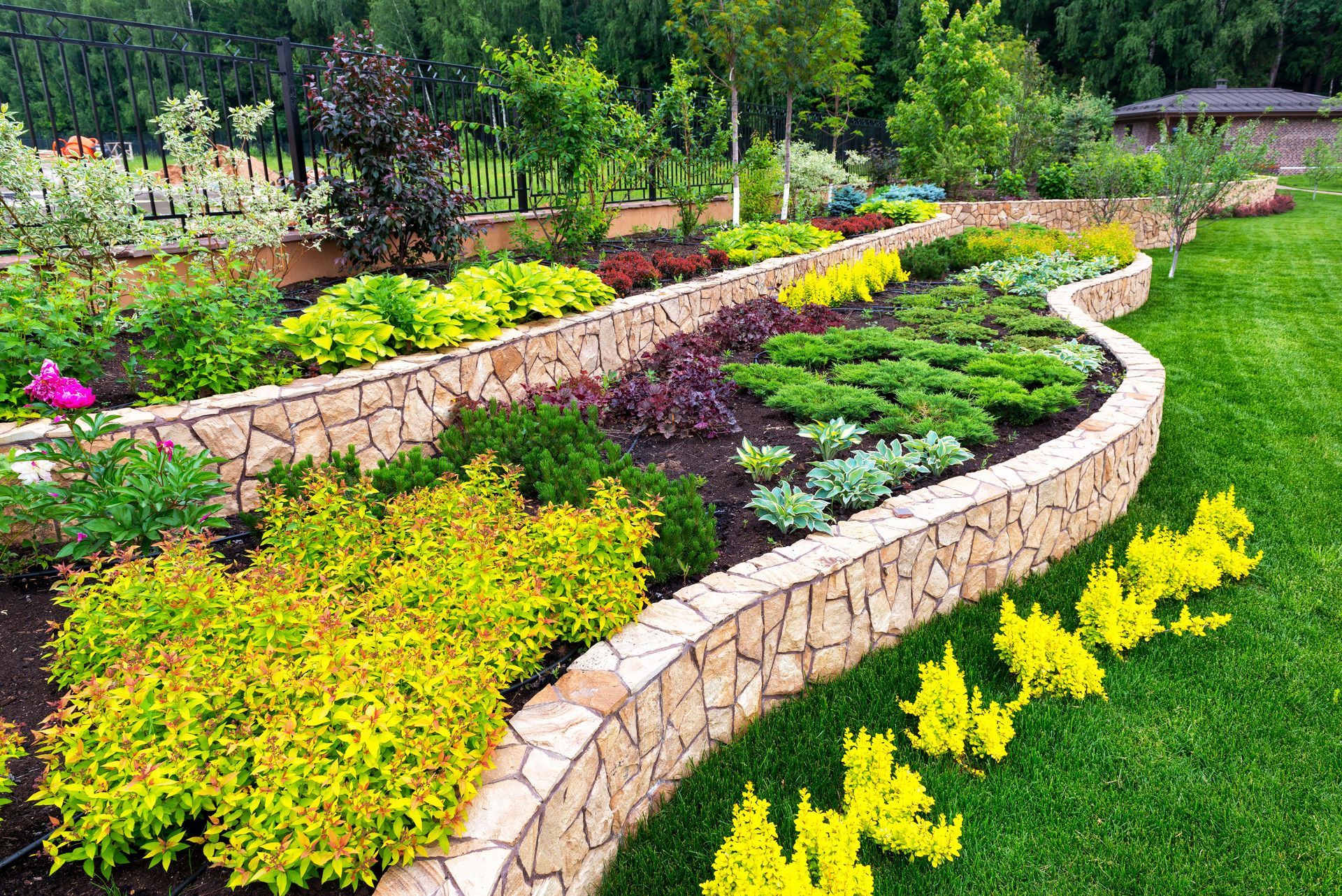
Thoughtful excavation also helps protect nearby landscaping and other exterior improvements by considering how water travels across the property. A comprehensive approach benefits not only the pool itself but also the surrounding outdoor environment.
Interestingly, homeowner investment in outdoor spaces continues to grow across many categories. According to the Home Improvement Research Institute, in 2024, lawn mowers represented 8% of the Lawn & Garden category while experiencing 15% year-over-year sales growth, reflecting continued attention to exterior property improvements. That broader focus makes durable planning for major landscape features even more valuable.
Supporting Lasting Structural Performance
A pool functions as an integrated structural system in which every component depends on the stability of the surrounding ground. Excavation establishes the environment that supports reinforcing materials, concrete placement, plumbing installation, and finishing work.
Accurate pool excavation creates consistent dimensions and carefully prepared surfaces that allow construction materials to perform as intended. Uniform support beneath the structure reduces concentrated stress that can develop when portions of the foundation settle differently than adjacent areas.
Leaks often begin as small structural changes rather than dramatic failures. Tiny shifts within supporting soils may gradually place pressure on plumbing connections, expansion joints, or structural materials until water eventually finds a pathway through the system.
Professional planning also considers future environmental conditions instead of focusing solely on immediate construction needs. Seasonal moisture changes, natural soil expansion, and gradual settling all influence long-term performance. Preparing for these conditions during excavation helps preserve structural integrity throughout the life of the pool.
Attention to detail during early site preparation also improves overall construction accuracy. Proper elevations, clean excavation lines, and consistent subgrade conditions allow every trade involved in the project to work within established specifications, reducing opportunities for future complications.
Reducing Future Leak Risks
Many people associate pool leaks with aging materials or damaged equipment, but hidden ground movement frequently contributes to these issues. Even well-built pools can develop problems if the supporting soils beneath them change significantly over time.
Proper pool excavation addresses these concerns before construction begins by establishing stable conditions that help minimize unnecessary movement. When the foundation remains more consistent, structural components experience less stress throughout normal environmental changes.
Leak prevention also depends on protecting underground plumbing systems. Pipes that shift because surrounding soil settles unevenly may eventually develop weak points at fittings or connections. Stable excavation conditions help reduce these unnecessary forces while supporting long-term reliability.
Another important consideration involves transitions between different materials surrounding the pool. Decks, coping, retaining features, and adjacent landscape elements all interact with the completed installation. Consistent excavation practices help create better relationships among these components, limiting movement that could otherwise place additional strain on the pool structure.
Perhaps most importantly, professional excavation emphasizes prevention instead of correction. Addressing potential concerns before construction is far more effective than attempting extensive repairs after leaks have already developed beneath finished surfaces.
Protecting Long-Term Property Value
A professionally constructed pool represents a meaningful investment in both enjoyment and property appeal. Protecting that investment requires attention to the hidden construction stages that support visible beauty.
Carefully planned pool excavation contributes to durability by creating the conditions necessary for dependable long-term performance. Homeowners gain greater confidence knowing the project was built upon properly prepared ground rather than shortcuts that may eventually create expensive repair needs.
Reliable construction also supports the appearance of the surrounding landscape. Excessive settlement can affect nearby hardscapes, decorative features, and planting areas, creating uneven surfaces that diminish the overall presentation of the outdoor space. Stable excavation helps preserve visual consistency while supporting lasting functionality.
Professional site preparation can also simplify future maintenance because structural systems experience fewer unnecessary stresses over time. Although every pool requires ongoing care, minimizing foundational movement reduces the likelihood of problems associated with shifting soils.
Choosing experienced professionals demonstrates a commitment to quality from the earliest stage of construction. Every careful decision made before the pool is installed contributes to stronger performance, greater durability, and improved peace of mind for years to come.
Building With Confidence From the Beginning
Successful pools begin beneath the surface, where thoughtful planning and careful site preparation establish the foundation for lasting performance. While finishes and design features certainly influence appearance, long-term reliability depends heavily on the quality of the work completed before visible construction even begins.
Investing in professional pool excavation helps reduce the conditions that often contribute to structural movement, plumbing stress, and future leaks. When excavation is approached with precision, every phase of construction benefits from greater stability and improved consistency.
If you are planning a new pool project, partnering with experienced professionals can help ensure every stage receives the attention it deserves. At Mt. Baker Landworks, we focus on delivering dependable site preparation that supports durable results, helping us build outdoor spaces designed for lasting performance through expert pool excavation.